Your Client Asks 'What If We Move the Lobby?' You Answer in Minutes, Not Days
The Meeting That Used to Stall a Bid
Picture the meeting: the client wonders about moving the lobby entrance. It’s an innocent question, maybe they’re thinking about foot traffic, or they saw a rendering with a different flow. Ten years ago, you’d smile, nod, and say you’d get back to them. Then you’d spend the next week re-quantifying walls, doors, finishes, and MEP rough-ins. By the time you had the number, the client had moved on to another question, and your estimate was already stale.
That’s the old way. It costs you momentum, credibility, and sometimes the job itself. When the client asks a what if, they’re not looking for a ballpark. They want to see the impact on the budget and schedule, right now. If you can’t answer, they start to wonder what else you don’t know. And if a competitor can give them a live number, you’re the one chasing the meeting.

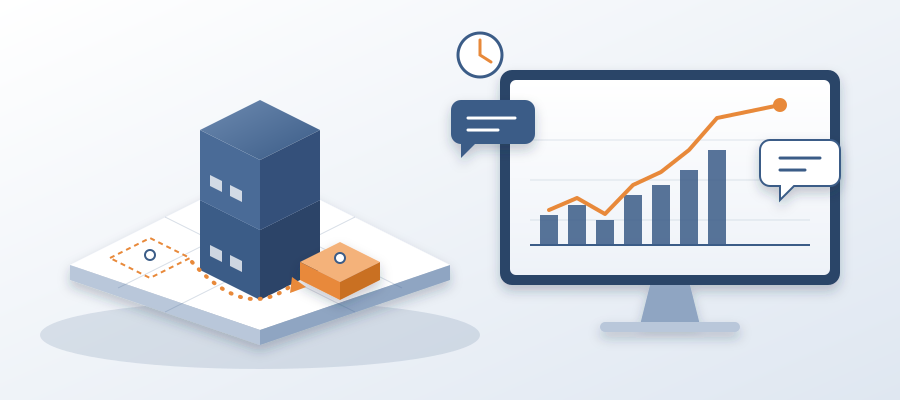
BidLight changes the equation. It lives inside Revit, where your model already is. Export the model, and within minutes you have labor, equipment, material, and time costs. When the client says move the lobby, you don’t flinch. You tweak the design on the spot, and the cost updates in real time. The meeting keeps moving, and you walk out the hero.
Think about what that does for your reputation. You’re not just the estimator who quotes numbers; you’re the one who understands the design and its cost implications instantly. Clients trust people who can answer their questions with confidence. That trust translates into more work, higher fees, and longer relationships.

The old way was a week of silence. The new way is a conversation. And in a competitive bid environment, the person who can keep a conversation going is the one who wins.
Why Your Takeoff Method Is Slowing You Down
Most of us grew up on manual takeoffs. You open the PDFs, count the doors, measure the walls, and build a spreadsheet. It works, but it doesn’t scale. Every design change means digging back through the drawings and re-calculating quantities by hand. The average BIM model has thousands of elements, and a simple lobby move touches dozens of them, walls, finishes, storefront, ceiling, maybe some mechanical runs.

What if you could watch the model and see cost impacts as they happen? That’s what BidLight does. Two AI models read your geometry and metadata to classify line items at 86% accuracy, pulling pricing from a database that costs roughly $30,000 a year to maintain, plus RSMeans, 1Build, and Craftsman. The result is a dynamic estimate that updates as the model changes. You’re not re-measuring; you’re reviewing.
Think about the time savings. A typical manual takeoff for a mid-sized commercial project takes 40 hours. With BidLight, that same estimate can be ready in minutes. That’s not an exaggeration; it’s a shift in how you work. You’re free to focus on the high-value stuff: adjusting for site conditions, value engineering, and presenting your numbers with confidence.

In a world where speed wins bids, you can’t afford to be the slow one. The client asks a question, and you either have the answer or you don’t. With live cost updates, you always do. That’s the difference between being a vendor and being a partner.
Turning What Ifs into Billable Services
Here’s a thought: you don’t have to give away this capability for free. If you can answer design questions in minutes, you can package that as a service. More architects are starting to charge for early estimates, and BidLight makes it possible to deliver them profitably. Call it design-phase cost consulting. When a client floats a what if, you hear it, process it, and answer instantly. You’re not just handing over a bid; you’re offering a decision-support tool.

Let’s get concrete. You’re in a meeting, the client asks about moving the lobby. You pull up the model, adjust the entrance, and within minutes you can say, That would add about $45,000 and push the schedule by two weeks. That kind of answer turns you into a trusted advisor. When they’re ready to build, they’ll remember who gave them the clear picture.
The takeaway is simple: proactive cost advice is a revenue generator, not a give-away. BidLight makes it possible. You just have to ask the next time you’re in front of a client. What if we moved the lobby? And then smile, because you already have the answer.
